
Next.js and Node servers often pair monitoring dashboards with WebSockets or SSE for live tiles without full page reload. Garage probes change slowly—30–120 second cadence—so aggressive push channels rarely justify complexity here. Understanding the pattern helps compare this stack with Next.js dashboards you might build elsewhere.
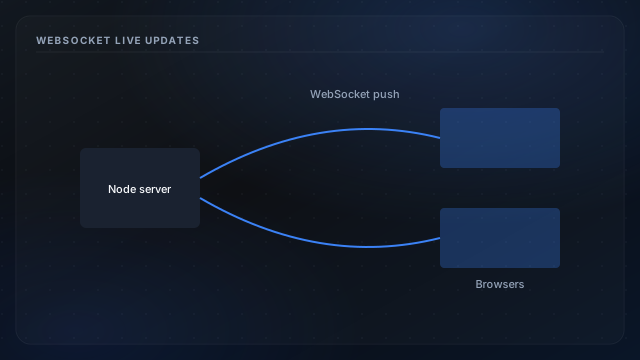
Architecture sketch
- Node polls Arduino on an interval.
- Server broadcasts JSON to connected WebSocket clients.
- Browser updates charts without navigation.
Tradeoffs
- Pros: Instant feel for ops desks; multi-user fan-out.
- Cons: Stateful servers, reconnect logic, harder edge deploy than SSR fetch.
- Garage reality: DHT22 limits poll rate—push faster than reads is pointless.
Hybrid alternative
This project uses SSR plus optional client refresh islands—Astro islands. For LAN-only live views, see local Node patterns in Express API patterns.