
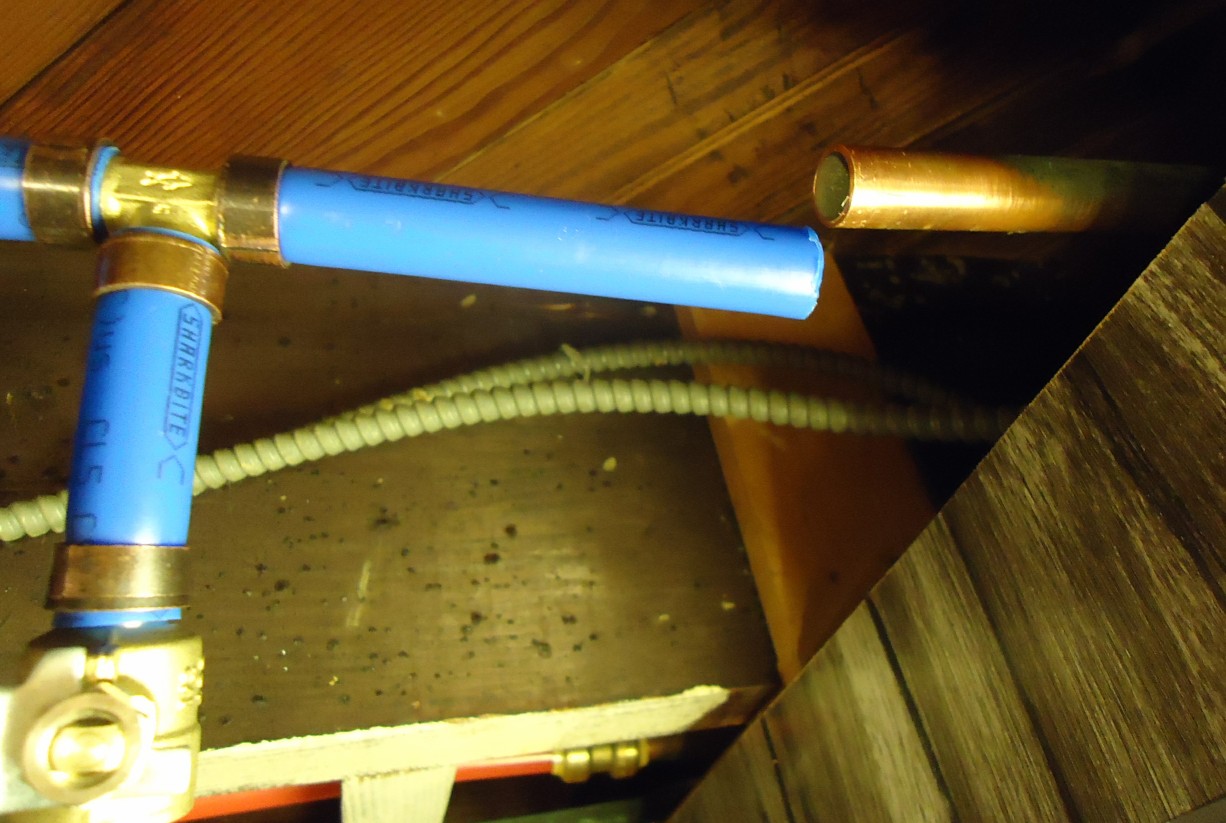
The setup
- ESP32 already pushing garage temp; added a cheap wet/dry contact on the heater pan
- Ingest kind flood: auto-alerts when wet (no custom rule)
- Email + Pro SMS; freeze threshold still watching the same bay
Timeline
- 3:08 a.m.: Flood contact reported wet; SMS + email fired while vacation mode was on for a trip.
- 3:20 a.m.: Neighbor with a share link confirmed a drip at the drain valve.
- Morning: Plumber tightened the valve; slab stayed dry enough that boxes were salvageable.
“The pad went wet at 3 a.m., not the freeze night”
What happened
Freeze and flood share one ingest path. Vacation muted threshold noise; the wet contact still woke the household.
Typical Pro trial → Member or Pro subscription after winter. Your results depend on sensor placement and alert thresholds.
Story FAQ
Do flood alerts need a custom rule?
No, when alerts are enabled, wet flood/leak contacts notify automatically. Use Rules → flood only to combine with door or temp conditions.
Where should the contact sit?
On the pan floor away from normal condensation drip lines. Test with a damp cloth, then dry so you do not leave a sticky wet state.
Try it on your space
Start free with live charts, email alerts, and one family live share link. Upgrade when you want CSV history (Member) or SMS, push, and expanded share scopes (Pro: 14-day trial).
See plans & pricing Create free account Compare vs DIY · All customer stories